

Fostering Kittens & Cats
From orphaned, newborn kittens to senior cats – from short-term to long-term assignments – we are always in need of cat fosters to care for our feline friends. Many of the cats in need of foster care cannot go directly into adoptive homes and the only way we can save them is with the help of foster homes.
CATegories of Caring
Bottle Babies
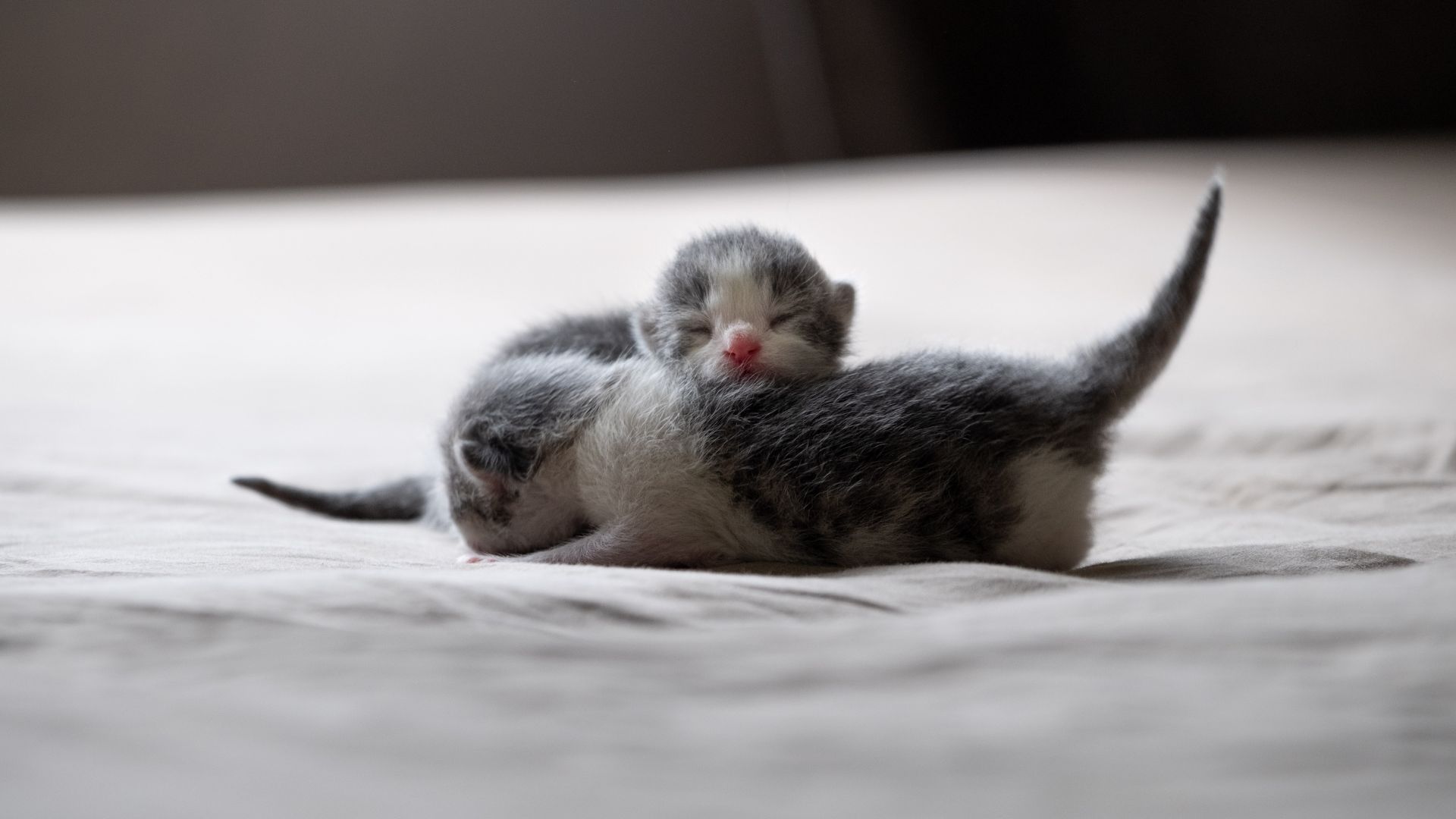
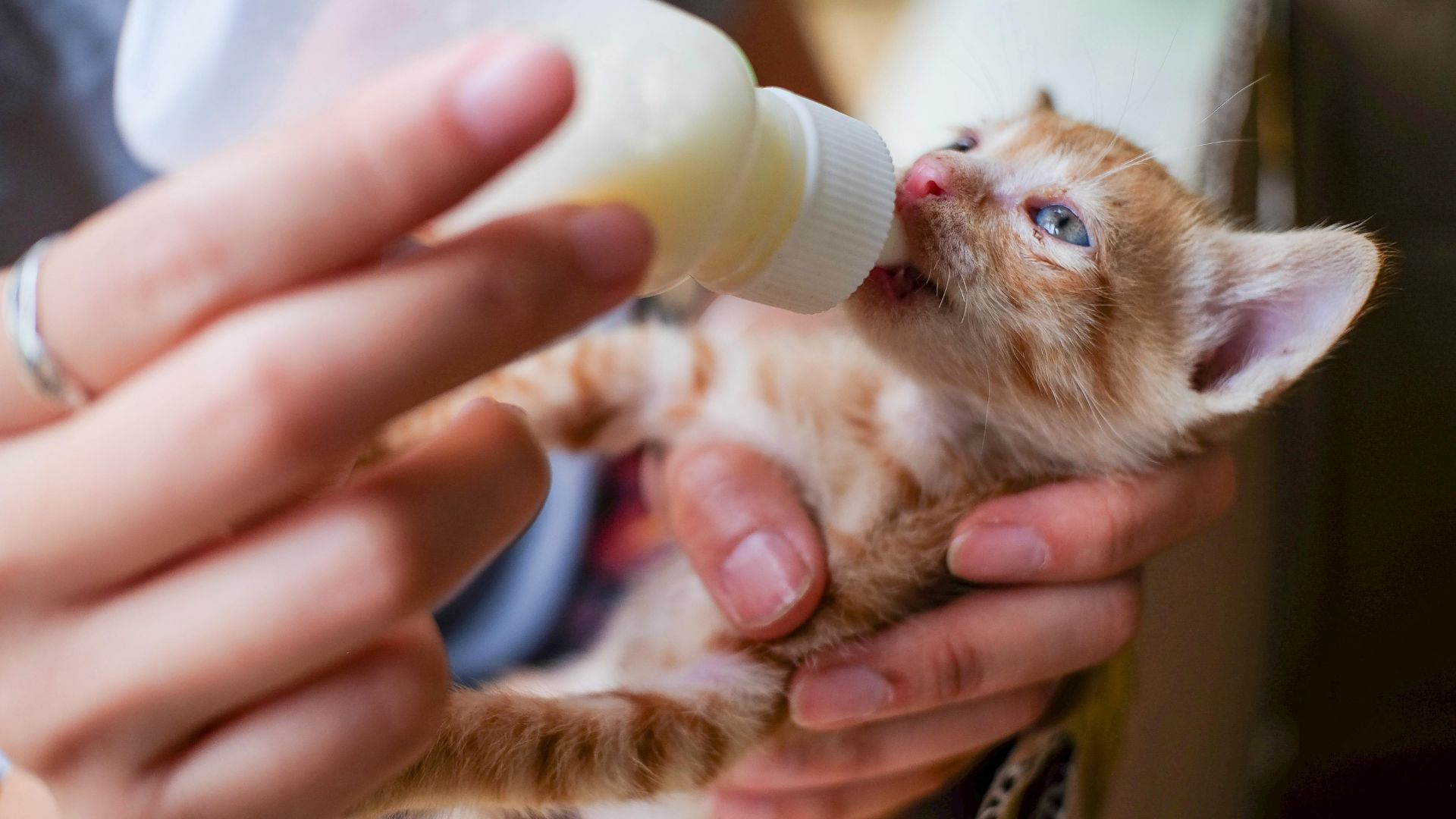
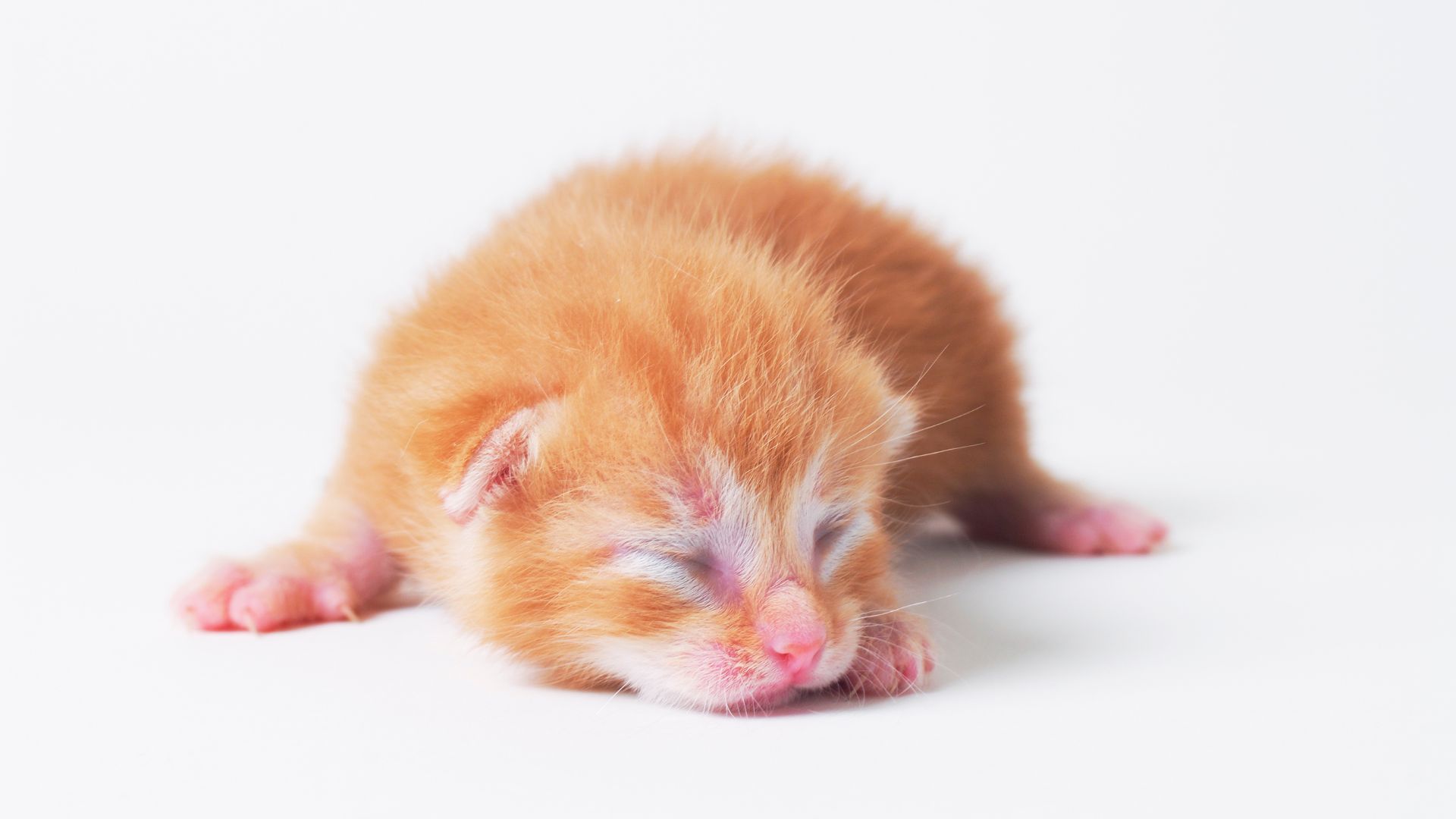
These are orphaned kittens, anywhere from 0-5 weeks of age. Bottle babies need formula every 2-5 hours. They also need to be kept warm, stimulated to go to the bathroom, weighed every day, and closely monitored.
In-Between Kittens
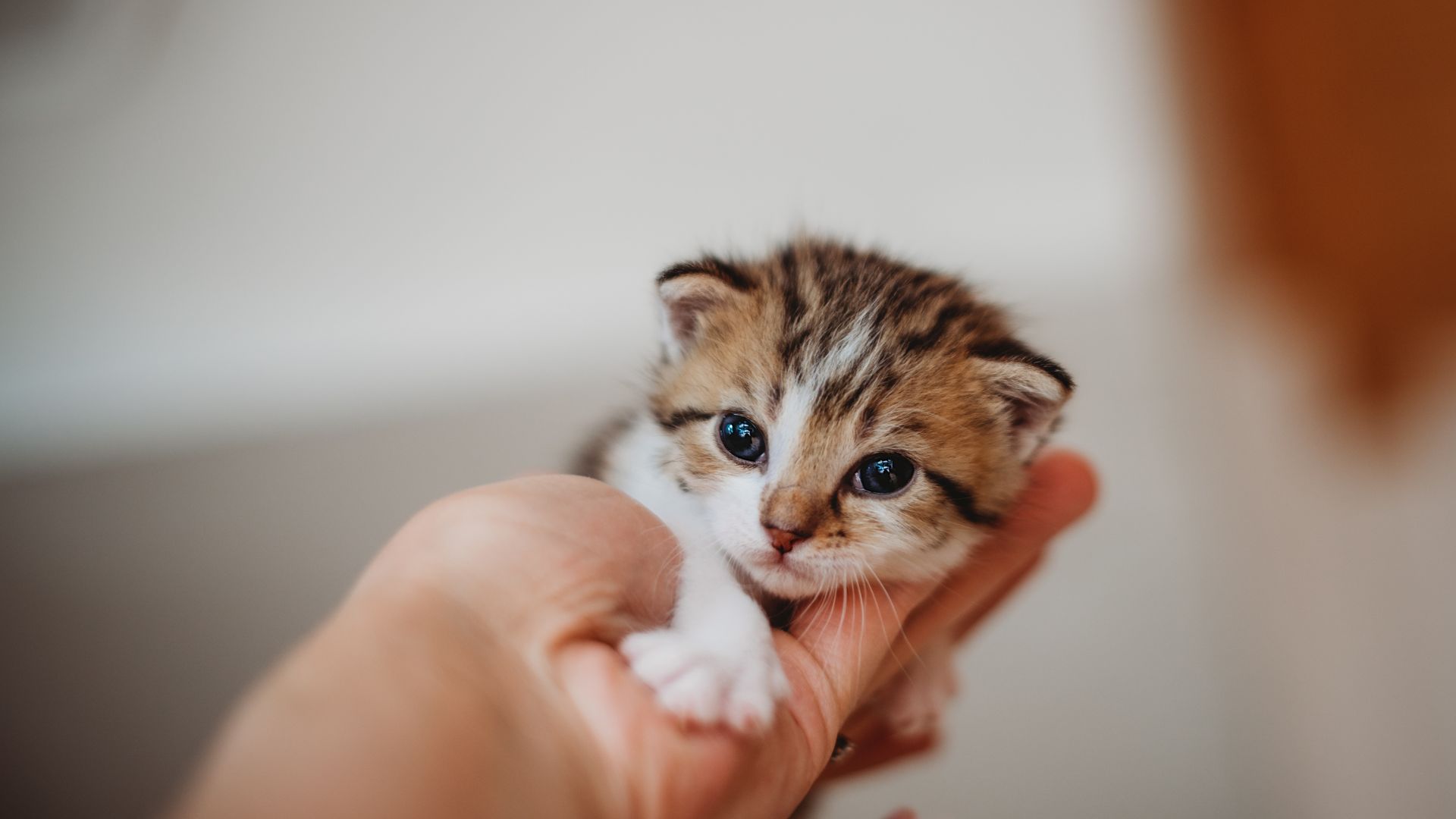
Kittens between 4 and 6 weeks old are in-between a formula and wet food diet and are beginning to learn how to use a litterbox. They need to be weighed daily and closely monitored.
Weaned Kittens
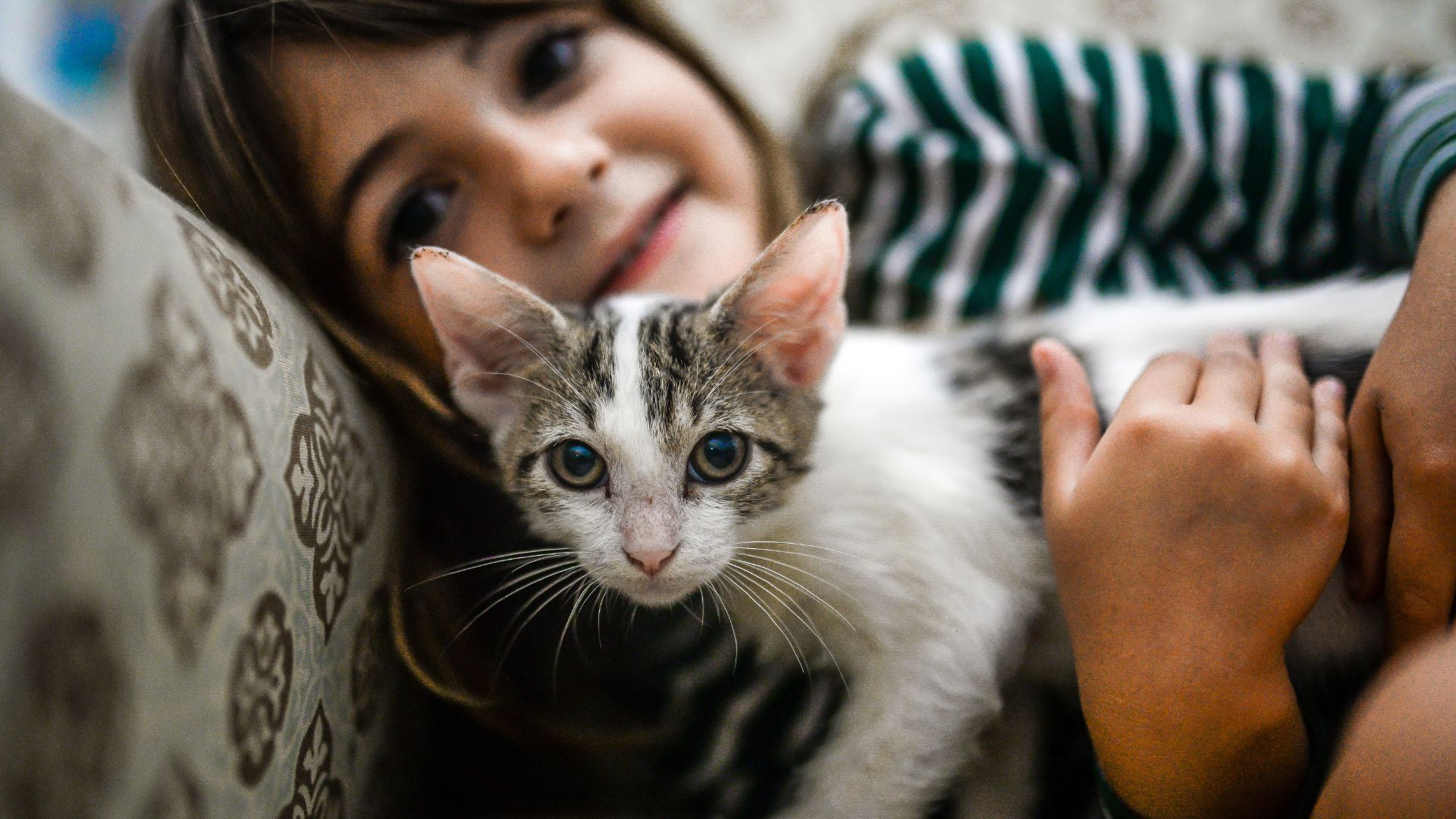
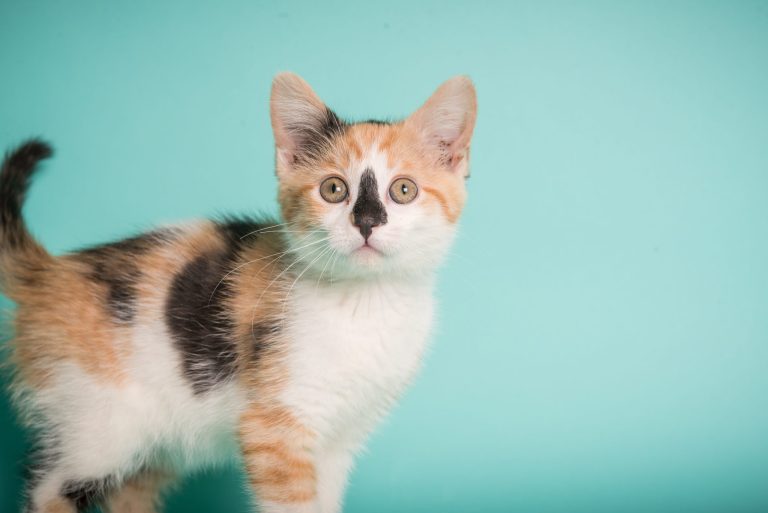
Typically, fully weaned kittens are 5-8 weeks old. They need wet food 2-3 times each day along with dry food, and water offered all the time. Kittens at this age are learning how to be cats, and they need a human to keep them on track and help them to become the most lovable and adoptable cat that they can be.
Queens with Kittens
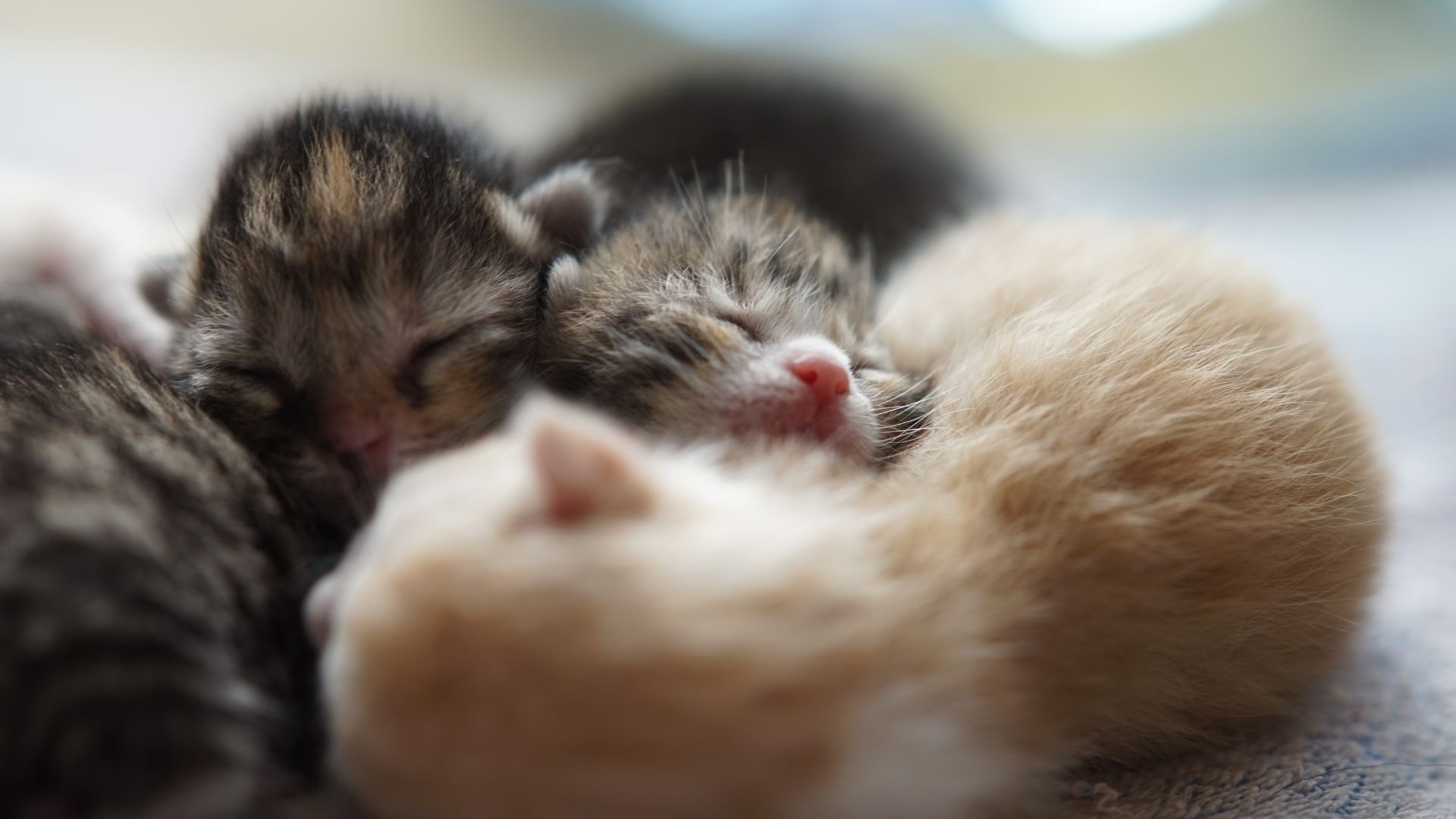
Momma cats with kittens under 8 weeks old need to be monitored to ensure kittens are growing steadily and remaining healthy, but mom does most of the work! Kittens will need to be weaned from mom at around 5 weeks old.
Adult Cats & Special Needs Cases
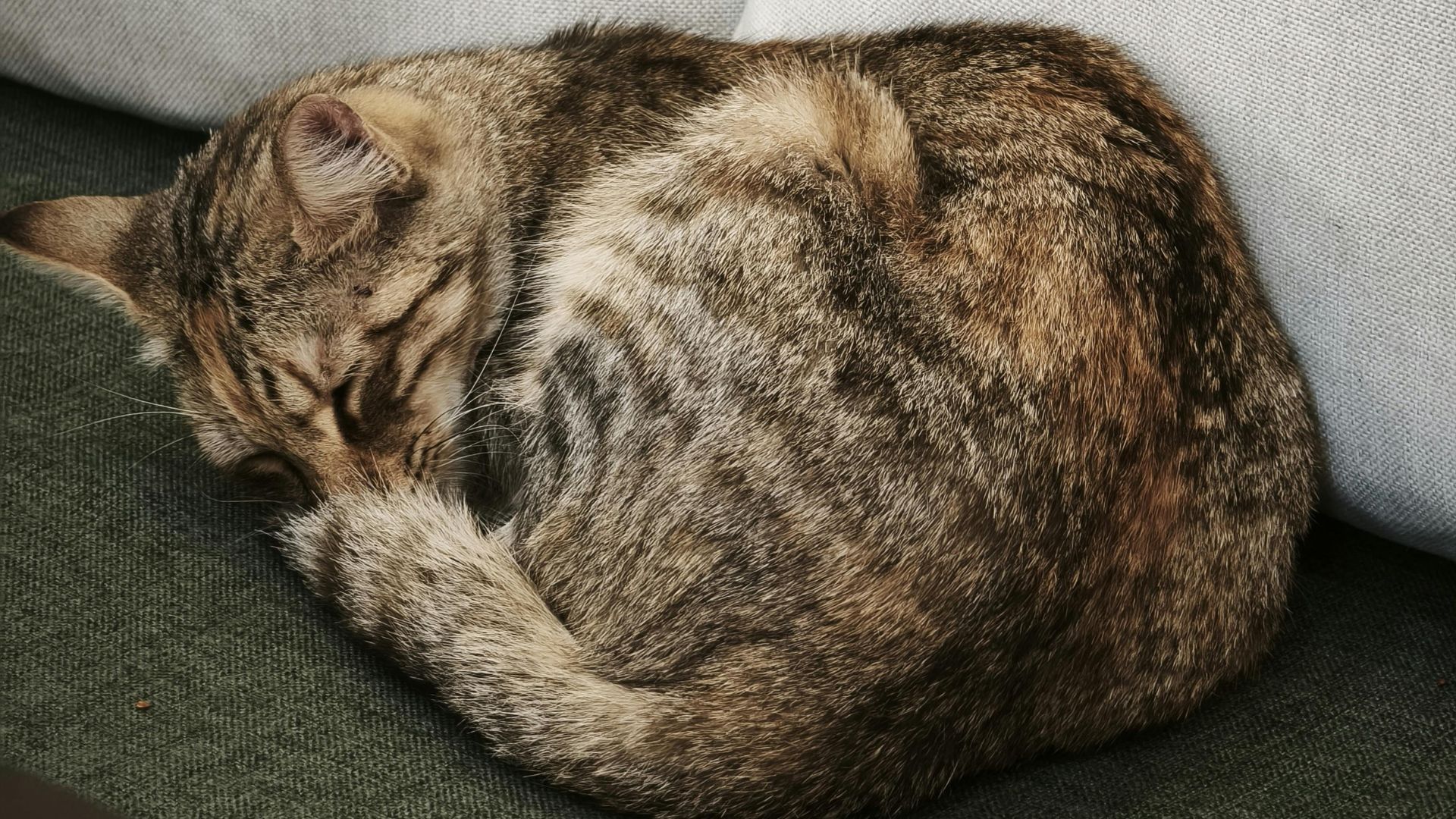
Kittens or adult cats that may need help with medical recovery or socialization to become adoptable.
Foster Requirements
Fosters must:
Be 18 years or older
Live within a reasonable distance of Sheboygan
Provide transportation for treatments, vet visits, or emergencies
Maintain a safe, indoor, temperature-controlled space
Have access to a mobile phone to stay in contact with the Foster Coordinator
What We Provide
Supplies: HSSC provides all the necessary supplies for your foster cat/kittens, tailored to their needs.
Veterinary Care: Our in-house veterinary team provides all treatments, vaccinations, and spay/neuter surgeries once puppies meet the weight requirement.
Resources & Support: Foster volunteers have access to training materials, guides, videos, and personalized support from the Foster Coordinator, available around the clock.
How to Become a Kitten or Cat Foster
Step
1
Apply
Step
2
Read the manual
Once approved, you will receive a welcome email that links to at least one manual (or more depending on your foster interests). Please read the manual carefully. Let the foster coordinator know if you have any questions or if you feel like you need any additional resources or guidance in any area.
Step
3
Take an Assessment
Also in your welcome email, you will be asked to take a short quiz that relates to the handbook and manual.
Step
4
Become a Foster!
Once your application is approved and your quiz is complete, you will become an active foster on our contact list. If we have a pet in need that matches your preferences, you will be notified via email.
With the exception of PAWjama Party short-term dog fostering, we do not take requests to foster a specific animal. Our top priority is finding foster homes for animals who are most in need, whether due to medical treatment, behavioral support, stress in the shelter environment, or other special circumstances. When these needs arise, we work thoughtfully to ensure a pet is a good match for their foster.
To view our Foster FAQs, see the bottom of the main Foster page.
For more information, please email our Foster Coordinator, Kayla Becker— KaylaB@SCAdopt.org.