

Fostering Puppies & Dogs
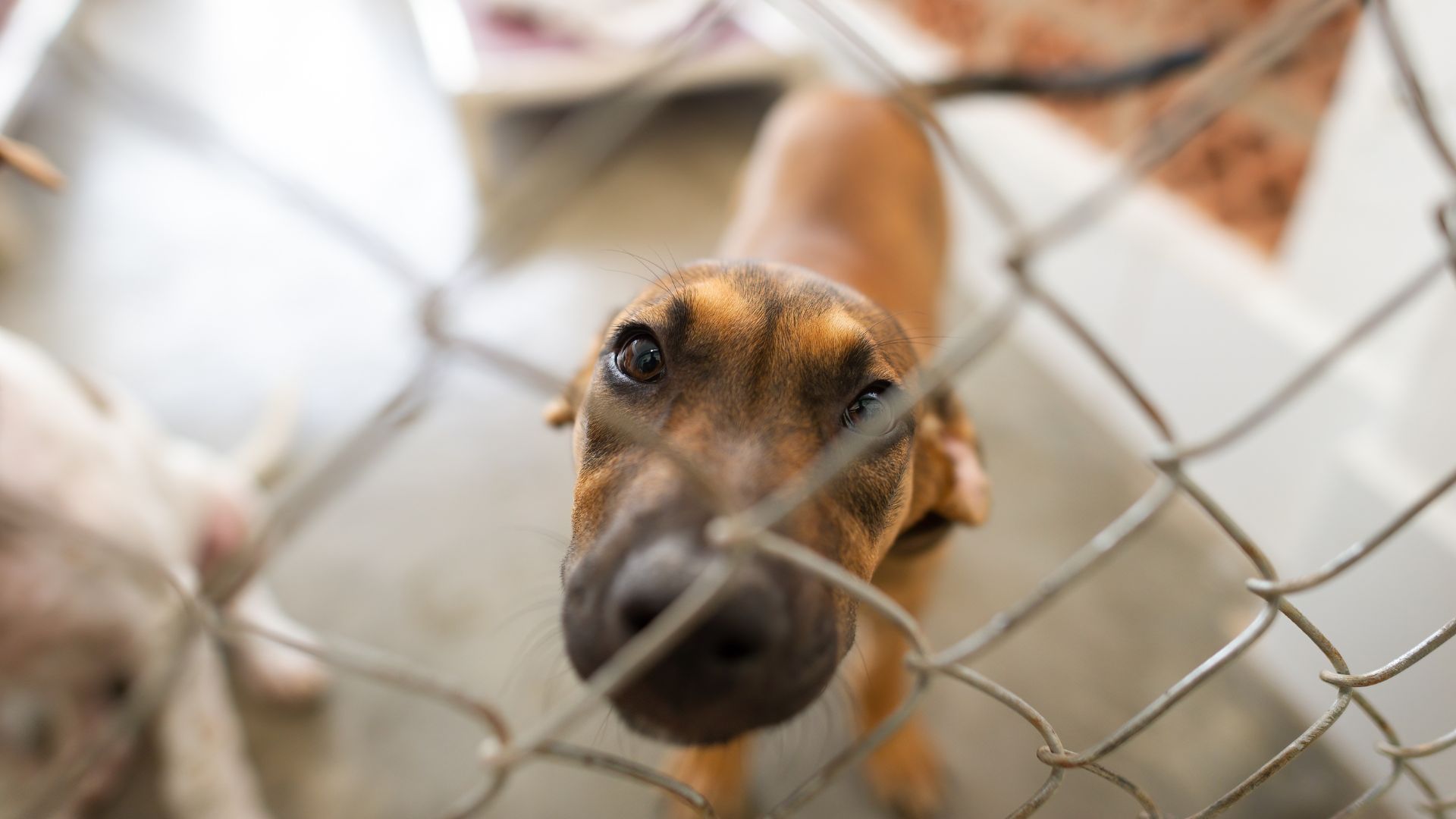
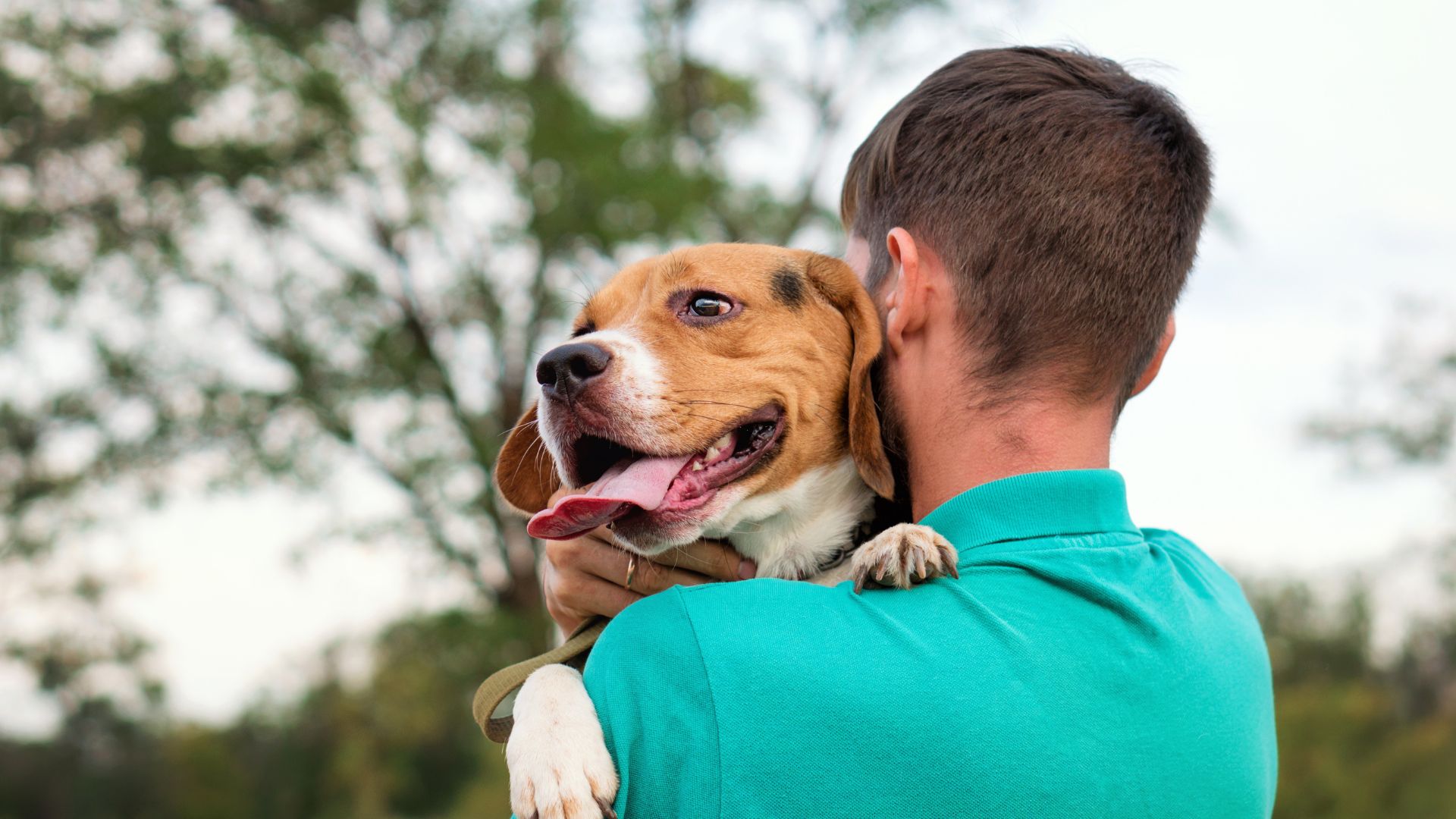
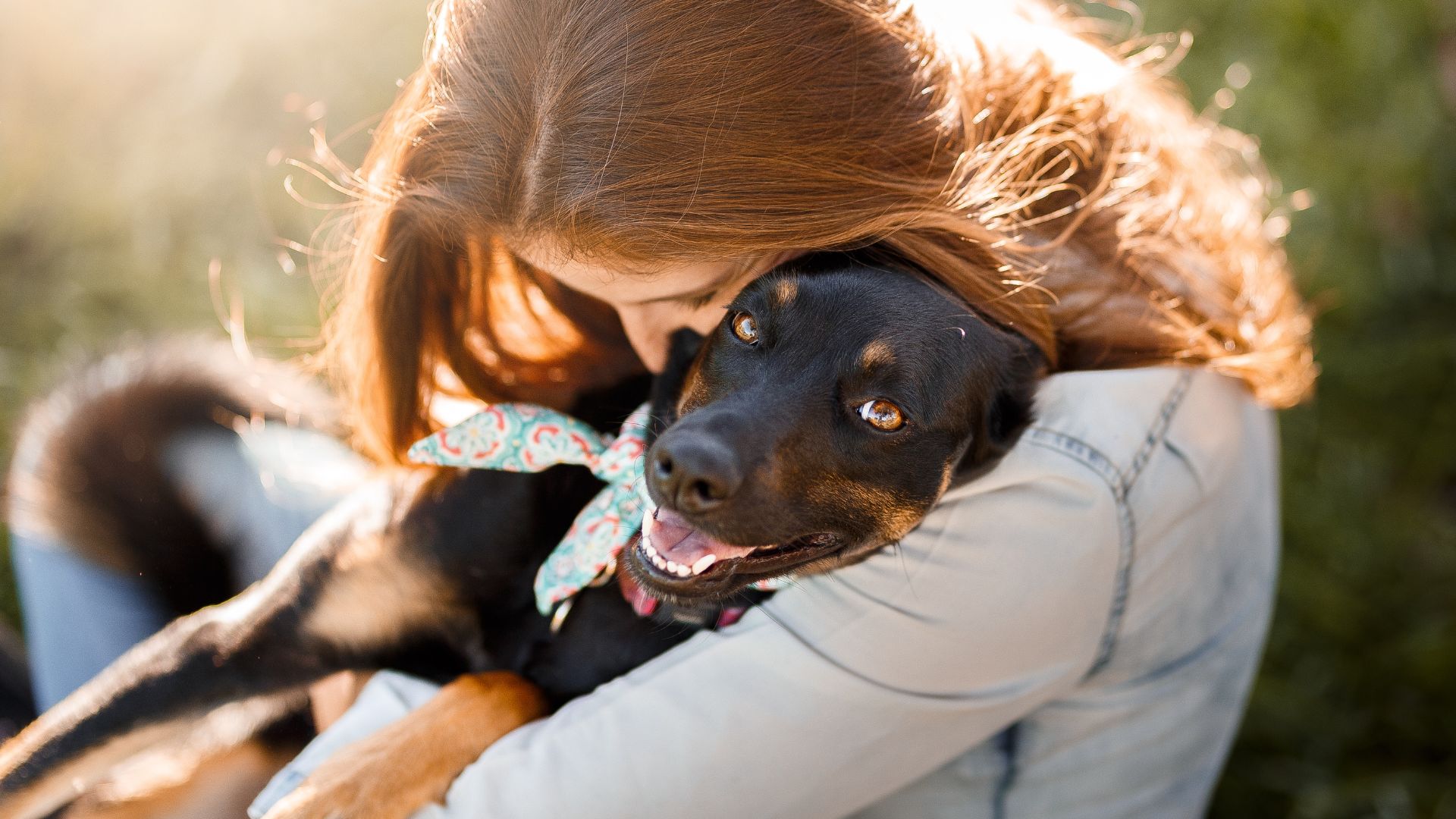
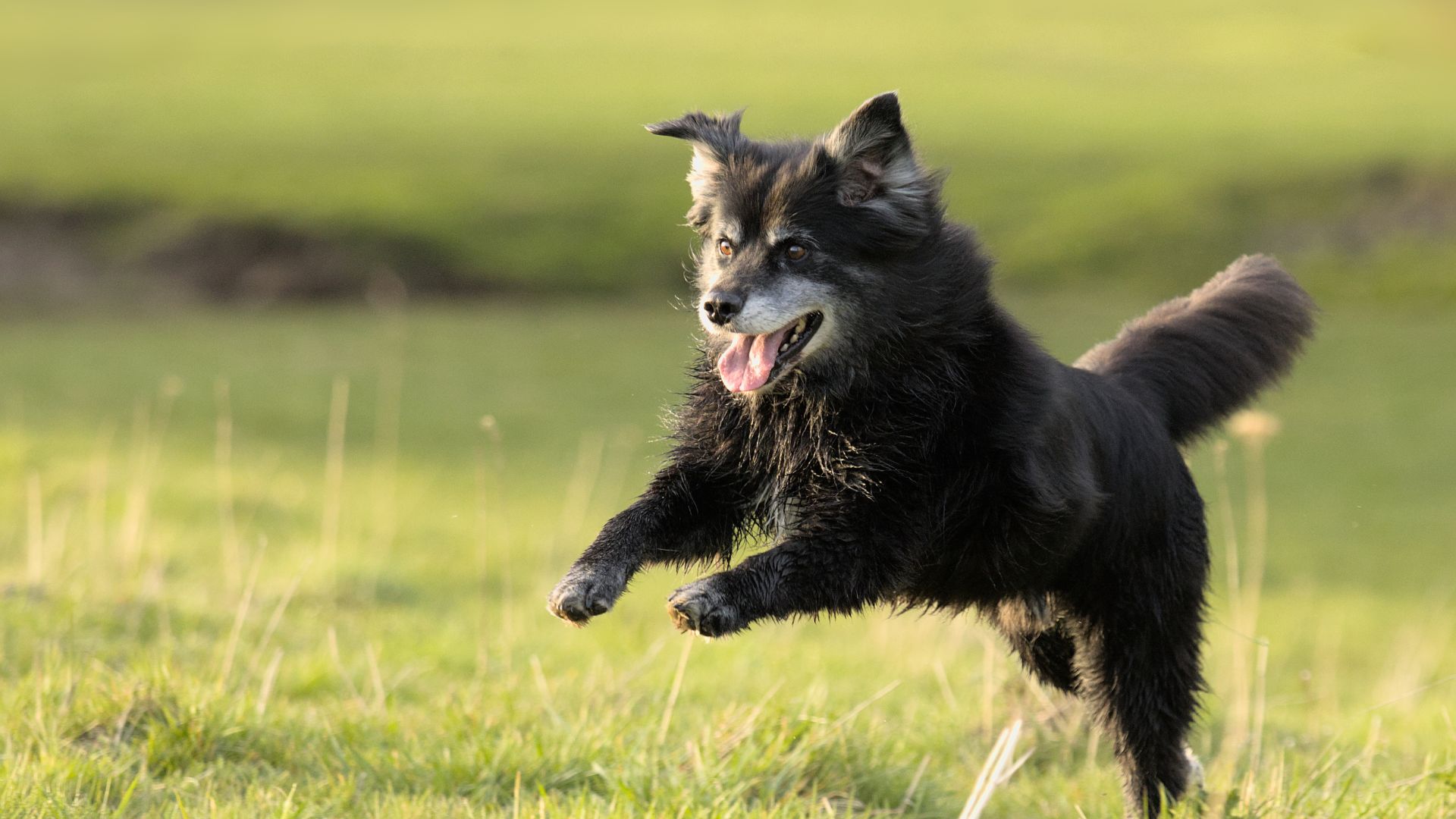
We need fosters for all types of dogs — stressed or shy dogs, dogs healing from medical procedures, pregnant mamas and their puppies, and more. Studies show that dogs who get breaks from shelter life experience lower stress, which helps them thrive and increases their chances of adoption. By fostering, you’re giving a dog comfort, stability, and a better shot at finding a forever home.




Dog Foster Opportunities
Pawjama Party- A Sleepover that Saves Lives
Even a short stay can make a big difference! A “sleepover” gives a dog a break from the shelter and lets you see what they’re like in a home environment. This helps us learn about their personality and find the perfect forever family.
General Dog Fostering
Many of our dogs are healthy and ready for adoption, but the shelter environment can begin to cause stress over time and a dog may not present well from in their kennel. By opening your home to a foster dog, you provide insights about how the dog is in a home setting which helps us to find them the best possible adoptive family.
Medical Fostering
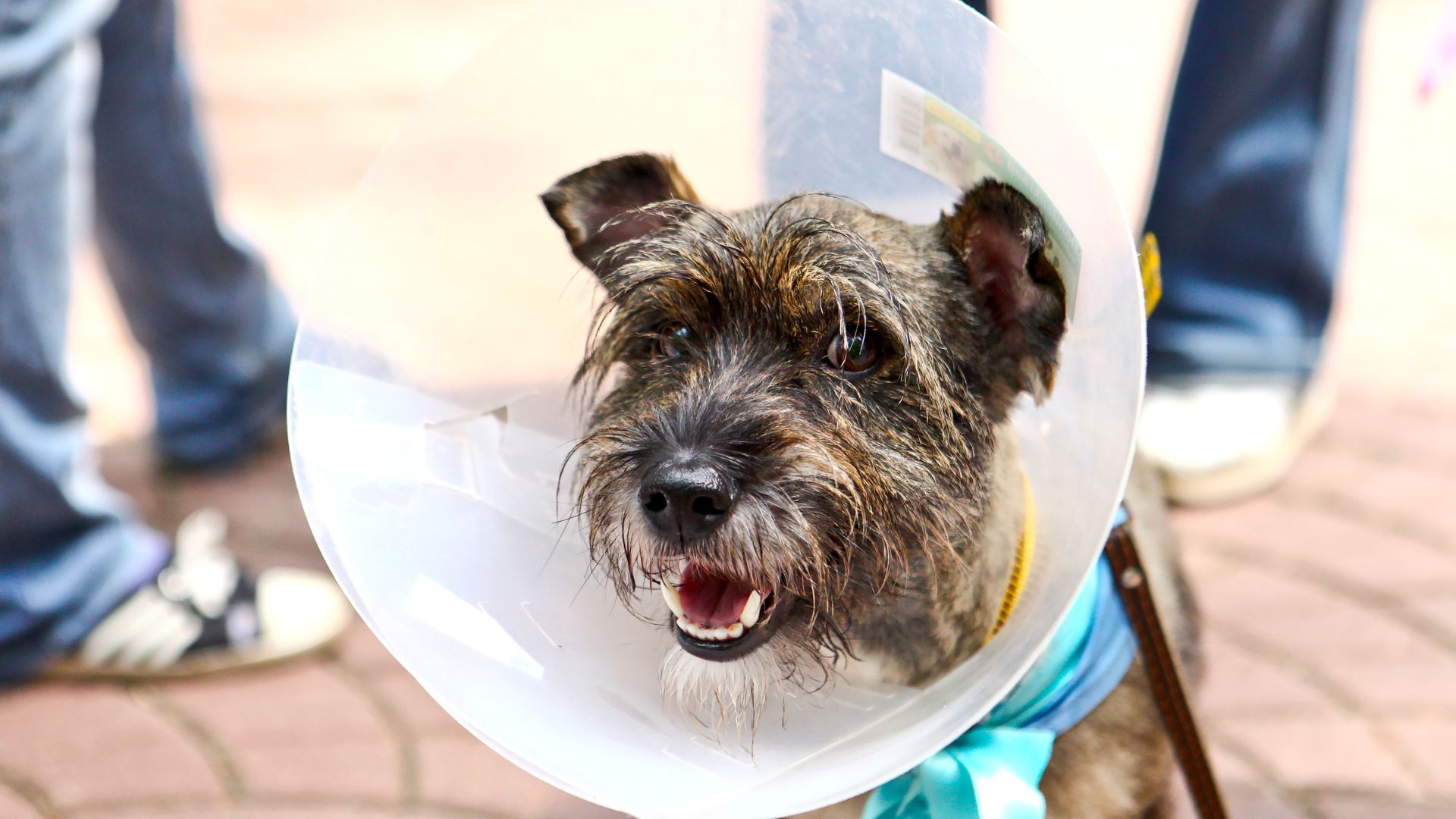
From young puppies with fragile immune systems to dogs recovering from surgery, medical foster dogs need a home outside the shelter to heal safely. All veterinary care is provided by HSSC.
Queen & Puppies
Pregnant dogs or new mothers with puppies rely on foster care for the health and socialization of their litter. Providing a safe home ensures puppies grow up healthy and well-adjusted.
Foster Requirements
Fosters must:
Be 18 years or older
Live within a reasonable distance of Sheboygan
Provide transportation for treatments, vet visits, or emergencies
Maintain a safe, indoor, temperature-controlled space
Have access to a mobile phone to stay in contact with the Foster Coordinator
What We Provide
Supplies: HSSC provides all the necessary supplies for your foster dog, tailored to their needs.
Veterinary Care: Our in-house veterinary team provides all treatments, vaccinations, and spay/neuter surgeries once puppies meet the weight requirement.
Resources & Support: Foster volunteers have access to training materials, guides, videos, and personalized support from the Foster Coordinator, available around the clock.
How to Become a Dog Foster
Step
1
Apply
Fill out the form above. At the end, you will be prompted to read through and sign the foster handbook.
Step
2
Read the manual
Once approved, you will receive a welcome email that links to at least one manual (or more depending on your foster interests). Please read the manual carefully. Let the foster coordinator know if you have any questions or if you feel like you need any additional resources or guidance in any area.
Step
3
Take an Assessment
Also in your welcome email, you will be asked to take a short quiz that relates to the handbook and manual.
Step
4
Become a Foster!
Once your application is approved and your quiz is complete, you will become an active foster on our contact list. If we have a pet in need that matches your preferences, you will be notified via email.
With the exception of PAWjama Party short-term dog fostering, we do not take requests to foster a specific animal. Our top priority is finding foster homes for animals who are most in need, whether due to medical treatment, behavioral support, stress in the shelter environment, or other special circumstances. When these needs arise, we work thoughtfully to ensure a pet is a good match for their foster.


For more information, please email our Foster Coordinator, Kayla Becker— KaylaB@SCAdopt.org.